Photography · 4 min read
Winter is here: top tips for cold weather photography
Field-tested habits for shooting when the temperature drops
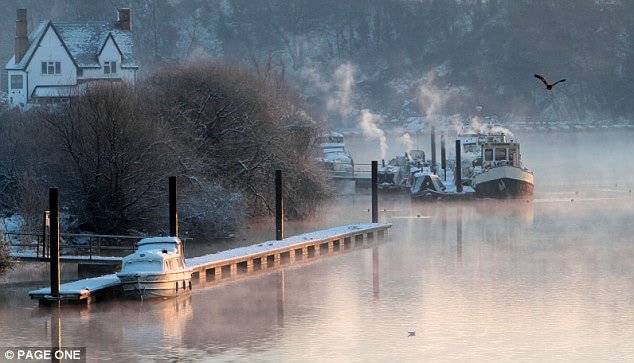
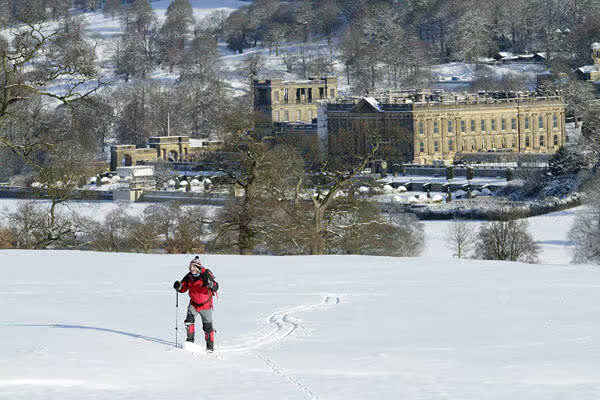
Winter light is some of the most flattering light of the year — low, warm and directional, with long shadows that add shape to almost any subject. But the conditions that produce it also punish equipment, batteries and hands, so a cold-weather shoot demands a different kind of preparation to a summer one.
Batteries are the first and most predictable casualty of low temperatures, losing charge far faster than they do in mild weather and sometimes reporting a false low-charge warning that a little warmth quickly corrects. Carrying spares in an inside jacket pocket, close to body heat, keeps at least one set ready rather than dead by mid-morning.
Condensation is the quieter danger. Moving a freezing camera straight into a warm room, or a warm car, fogs the external glass instantly — and, more seriously, can let moisture creep into the body and electronics. Sealing the camera in a bag before the temperature change, and letting it acclimatise slowly, avoids a shoot day being cut short by fogged optics or a fault that only shows up once it's too late.
Hands are the other weak point. Full winter gloves keep fingers warm but make dials and buttons almost unusable, so thinner touchscreen-compatible gloves, backed up by hand warmers kept in a pocket rather than taped to the camera, tend to work best in practice.
Footwear, layering and simply pacing the shoot matter more than people expect too — standing still in the cold waiting for light is far harder on a crew than moving between setups, so a well-planned schedule that keeps everyone moving with purpose, rather than lingering outdoors longer than necessary, keeps both people and gear performing for longer.
To commission some cold weather photography from the original Canadian photographer, Contact Me.